How the Technology Works
The core of a deepnude AI process is a generative opposed community (GAN) proficient on paired datasets of clothed and nude photography. The generator proposes a pragmatic pores and skin layer, although the discriminator learns to reject glaring artifacts. By iterating tens of millions of occasions, the type learns to infer doable body contours beneath textile.
Training Data Challenges
High‐fine outcomes demand varied source cloth—one-of-a-kind body sorts, lighting situations, and garments styles. Most public repositories scrape inventory‐snapshot sites, introducing authorized gray zones even previously the edition runs. When the dataset lacks illustration, the output can showcase distortions, especially around tricky textures like lace or patterned clothes.
Inference Speed and Resource Use
Running the adaptation on a client GPU many times consumes four–6 GB of VRAM and produces an graphic in lower than 3 seconds. Cloud‐based APIs can scale this to batch processing, however additionally they enhance the risk of mass‐technology for malicious purposes.
Legal Landscape Across Jurisdictions
In the US, a few states have enacted “revenge‐porn” statutes that explicitly mention AI‐generated depictions of non‐consensual nudity. California’s Penal Code § 647(j) treats the distribution of such snap shots as a prison, regardless of regardless of whether the area really posed nude.
European Union law takes a broader process. The Digital Services Act requires structures to cast off extremist or non‐consensual manufactured media inside 24 hours of note. Failure can induce fines up to six % of annual turnover. The UK’s Online Safety Bill in a similar way mandates fast takedown of AI‐generated sexual imagery.
Asia affords a mixed photo. Japan’s Act on Regulation of Transmission of Specified Electronic Mail prohibits the introduction of “verbal‐model” non‐consensual nude images, while South Korea’s Personal Information Protection Act has been updated to include manufactured media which could become aware of a living man or woman.
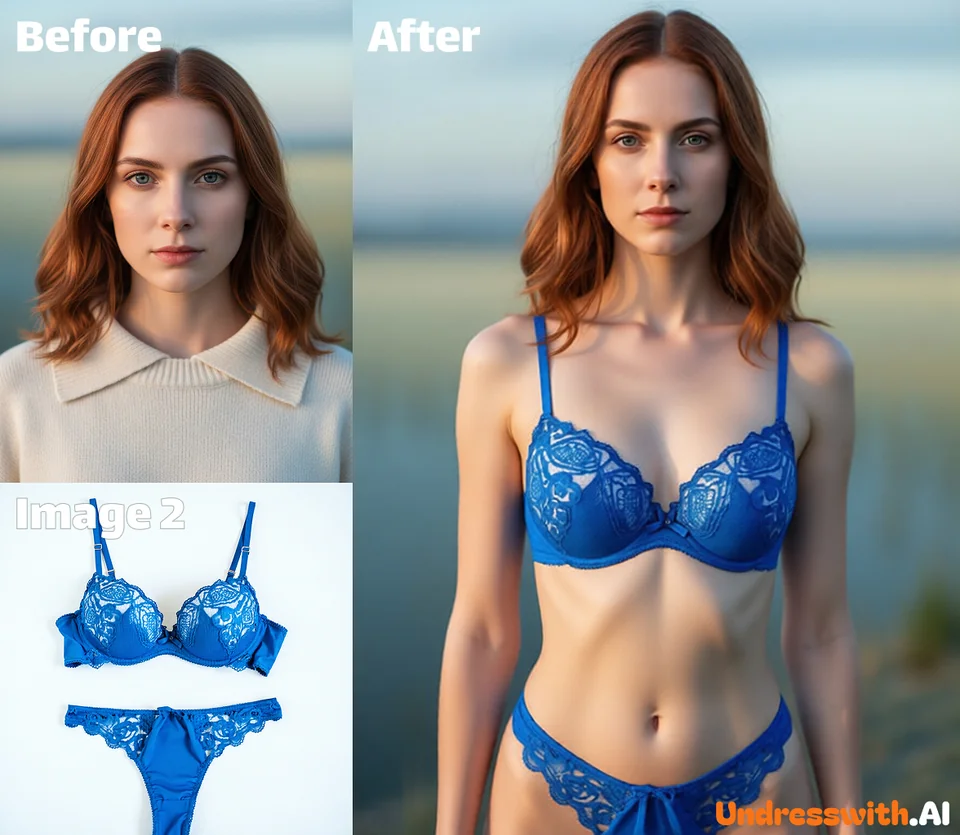
Ethical Concerns and Societal Impact
Beyond felony compliance, the ethical calculus revolves around consent, dignity, and expertise for damage. Victims of deepnude AI misuse document tension, reputational spoil, and employment demanding situations. Studies from the Cyberpsychology Lab at a main college imply that publicity to manufactured nude imagery can escalate harassment behaviors among visitors through up to 27 %.
Human rights advocates argue that the technology amplifies existing gender inequities. Women and gender‐nonconforming members are disproportionately exact, reflecting broader styles in on-line abuse.
Detection and Mitigation Strategies
Researchers have developed forensic tools that look at pixel inconsistencies, frequency artifacts, and metadata anomalies. One open‐resource detector flags a advantage deepnude AI output with a trust ranking above 0.eighty five in ninety two % of attempt instances.
Organizations can adopt a layered defense: first, put in force add filters that test for GAN signatures; 2nd, apply watermarking to legit photographic sources; third, instruct workers to identify visible cues comparable to unnatural pores and skin shading round joints.
For folks that need a sandbox for checking out, the platform’s competencies might be explored through AI deepnude generator to recognise detection thresholds with out compromising actual consumer statistics.
Market Dynamics and Commercial Use
Although the original deepnude AI undertaking changed into taken down after authorized force, a couple of forked variations persist under names like “AI deepnude generator” or “deepnude generator.” Some claim benign functions—creative nudity for virtual trend—however the line among artwork and exploitation is still blurry.
Commercial actors who monetize the service incessantly bundle it with “privacy‐enhancement” methods, arguing that clients can try symbol‐scrubbing algorithms towards life like nudity simulations. Critics point out that the profits variety most commonly relies on subscription costs for unlimited iteration, encouraging upper extent abuse.
Future Outlook and Emerging Trends
Advances in diffusion types promise increased fidelity and extra controllable outputs. Researchers await that next‐generation deepnude AI generators may want to synthesize full‐frame movement sequences, no longer simply static pix. This escalation intensifies the desire for true‐time detection embedded in social media pipelines.
Legislators are also responding. A bipartisan invoice brought within the U.S. Senate goals to create a federal offense for the introduction of artificial sexual imagery devoid of consent, wearing as much as five years imprisonment. If exceeded, the legislation might set a countrywide baseline that might result overseas policy.
Practical Guidance for Professionals
Security experts may still upload deepnude AI detection modules to latest chance‐intelligence suites. Legal teams would have to update worker insurance policies to consist of particular prohibitions opposed to producing or dispensing manufactured nude content, even in inside testing environments.
Content moderators improvement from a record: investigate picture provenance, run forensic prognosis, and move‐reference with frequent deepfake databases. When uncertainty remains, escalating to a senior reviewer reduces the probability of wrongful takedown.
For developers construction AI pipelines, isolate any photograph‐iteration element in the back of a sandboxed API, log every request, and put into effect multi‐point authentication. Auditing those logs weekly supports spot anomalous usage patterns until now they develop into public incidents.
Conclusion
The upward thrust of deepnude AI illustrates how strong generative items should be would becould very well be weaponized while moral safeguards lag behind technical capability. By figuring out the underlying mechanics, staying abreast of evolving legal criteria, and deploying strong detection methods, agencies can mitigate damage when navigating the complicated virtual panorama.